Carob Pie Recipe
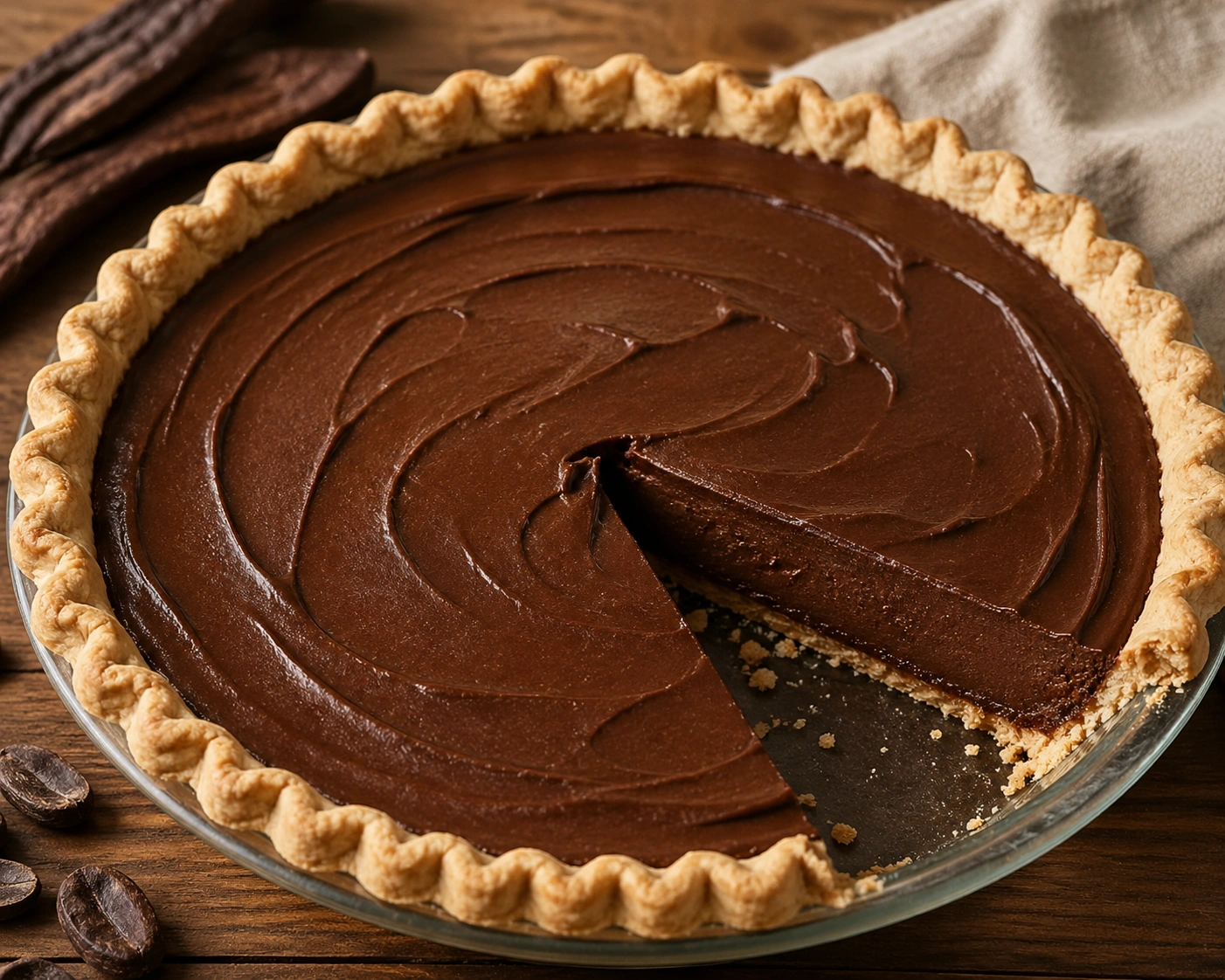
A good carob pie recipe should feel like a real dessert you would be happy to serve at the table, not just a novelty because it uses carob instead of cocoa. This one does exactly that. It has a crisp buttery crust, a smooth carob filling, and a rich but mellow flavor that feels somewhere between a soft pudding pie and a homemade holiday dessert.
What I like about carob pie is that it lets carob do something slightly different from cakes, muffins, or brownies. Instead of becoming part of a crumb or batter, carob becomes the center of the dessert. The filling stays creamy, the flavor is more noticeable, and the whole pie feels a little more classic and special without getting difficult to make.
If you already enjoyed learning about carob molasses, this pie is another nice way to see how carob can create depth in dessert recipes. You can also browse more baking ideas anytime on the Carob Recipe homepage.j
Table of Contents
Why This Carob Pie Recipe Is Worth Making
Pie can feel more intimidating than muffins or cookies, but this recipe keeps things simple enough for a home baker while still giving you that satisfying “real pie” result.
This recipe is worth making because it gives you:
- a smooth, creamy carob filling
- a simple baked crust and stovetop filling method
- a dessert that slices neatly after chilling
- a pie that feels special enough for guests but easy enough for home
- a new way to use carob beyond basic everyday baking
It is also a nice recipe for anyone who already likes carob but wants something a little more dessert-forward. Brownies and cookies are great, but pie has its own mood. It feels more classic, a little more polished, and still very homemade.
What This Carob Pie Tastes Like
This pie tastes rich, creamy, and softly sweet. The carob flavor comes through clearly, but it stays gentle rather than sharp or overly intense. That is one reason I think pie works so well with carob. The filling has enough body to feel luxurious, while the flavor remains warm and mellow.
The overall taste reminds me of:
- a silky pudding-style pie
- a lightly roasted, sweet filling
- a dessert with hints of vanilla and caramel warmth
- a softer alternative to a chocolate cream pie
Because carob is naturally sweeter than cocoa, the pie filling does not need to rely on a huge amount of sugar to feel satisfying. The result is balanced and pleasant, especially with whipped cream or a light topping.
If you want a broader comparison of flavor style, my carob vs chocolate article explains why carob desserts feel gentler than classic chocolate ones.
Ingredients You’ll Need
This recipe uses a simple pie crust and a stovetop carob filling that sets as it chills.
For the Crust
- 1 1/4 cups all-purpose flour
- 1 tablespoon granulated sugar
- 1/4 teaspoon salt
- 1/2 cup unsalted butter, cold and cubed
- 3 to 4 tablespoons ice water
For the Carob Filling
- 2 1/2 cups whole milk
- 1/2 cup granulated sugar
- 1/3 cup carob powder
- 1/4 cup cornstarch
- 3 large egg yolks
- 2 tablespoons unsalted butter
- 2 teaspoons vanilla extract
- pinch of salt
Optional Topping
- lightly sweetened whipped cream
- shaved carob or crushed nuts
- a small drizzle of syrup if serving individual slices
The cornstarch and egg yolks help give the filling a smooth, sliceable texture. The butter and vanilla round it out so the carob flavor feels fuller and more polished.
If you want to understand the ingredient doing the main flavor work here, my guide to using carob powder in baking gives a practical overview of how carob behaves in recipes.
How to Make Carob Pie
Step 1: Make the Pie Dough
In a medium bowl, whisk together the flour, sugar, and salt. Cut in the cold butter until the mixture looks crumbly with some pea-sized pieces still visible. Add the ice water a little at a time, mixing just until the dough starts to come together.
Form the dough into a disk, wrap it, and chill it for at least 30 minutes.
Step 2: Roll and Bake the Crust
Preheat your oven to 375°F. Roll the chilled dough into a circle and fit it into a 9-inch pie plate. Trim and crimp the edges. Prick the base lightly with a fork, line with parchment, and fill with pie weights or dried beans.
Bake for 12 minutes, remove the weights, then bake 3 to 5 minutes more until lightly set. Let the crust cool.
Step 3: Mix the Filling Base
In a saucepan, whisk together the sugar, carob powder, cornstarch, and salt. In a separate bowl, whisk the milk and egg yolks until smooth.
Slowly whisk the milk mixture into the dry mixture in the saucepan so everything blends evenly.
Step 4: Cook the Filling
Place the saucepan over medium heat and cook, whisking constantly, until the mixture thickens. This usually takes 8 to 10 minutes. Once it reaches a pudding-like consistency, remove it from the heat.
Step 5: Finish the Filling
Stir in the butter and vanilla extract until smooth and glossy. The filling should look rich and silky.
Step 6: Fill the Crust
Pour the warm filling into the cooled crust and smooth the top gently with a spatula. Press a piece of plastic wrap directly onto the surface if you want to prevent a skin from forming.
Step 7: Chill
Refrigerate the pie for at least 4 hours, or until fully set. Once chilled, the filling should slice cleanly and hold its shape.
Tips for a Smooth and Sliceable Filling
A pie like this is not difficult, but a few small details make a big difference.
Whisk Constantly While Cooking
This helps prevent lumps and keeps the filling smooth.
Do Not Rush the Thickening
Let the filling cook long enough to fully thicken on the stove. A rushed filling may not set as well after chilling.
Chill It Fully
This is not the kind of pie to slice after one quick hour in the fridge. It really needs enough time to firm up properly.
Use a Fully Cooled Crust
Pouring hot filling into a steaming crust can soften it more than you want.
Taste the Filling Before Pouring
Once the butter and vanilla are stirred in, taste a small spoonful. That is the easiest way to make sure the sweetness feels right to you.
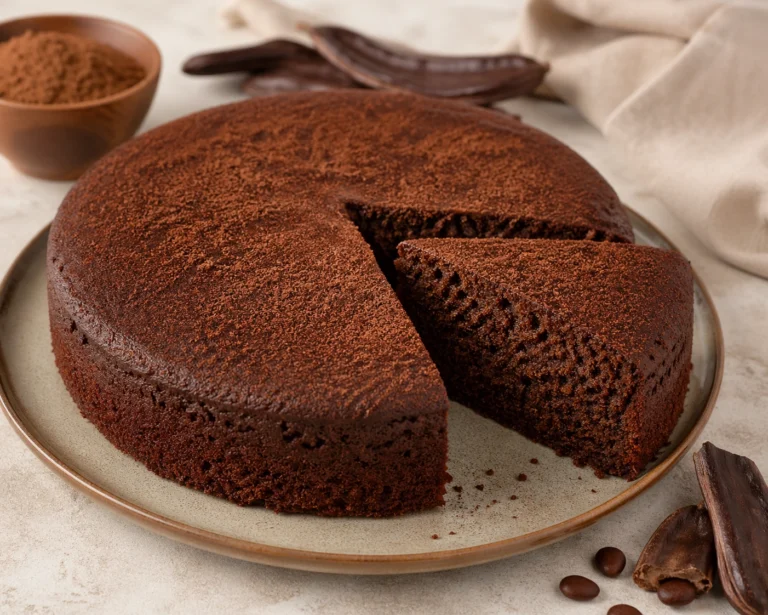
If you like softer, rich desserts with carob flavor, my carob cake recipe is another good option when you want something sliceable and homemade.
Easy Variations You Can Try
This pie is lovely as written, but there are a few easy ways to make it your own.
Graham-Style Crust
Instead of a traditional pie crust, use a crumb crust if you want something faster and slightly more dessert-like.
Nutty Finish
Top each slice with chopped pecans or walnuts for texture.
Lighter Serving Style
Serve with unsweetened whipped cream so the pie stays balanced and not overly sweet.
Warmer Flavor
Add a very small pinch of cinnamon to the filling if you want a slightly cozier flavor profile.
Extra Carob Depth
A light spoonful of syrup or molasses-style drizzle on each slice can make the flavor feel deeper, but keep it subtle.
How to Serve Carob Pie
Carob pie is best served chilled, with clean slices and a light topping if you want one. I like it most after it has had enough time to fully set, because the texture becomes smoother and more elegant.
It is especially nice:
- after dinner as a simple plated dessert
- with whipped cream and a few chopped nuts
- with tea or coffee in the afternoon
- for holidays or family meals when you want something a little different
- as a make-ahead dessert because it improves after chilling
Because carob has a softer flavor than chocolate, I think it works best with simple toppings rather than anything too heavy or overly sweet. Let the pie itself stay the focus.
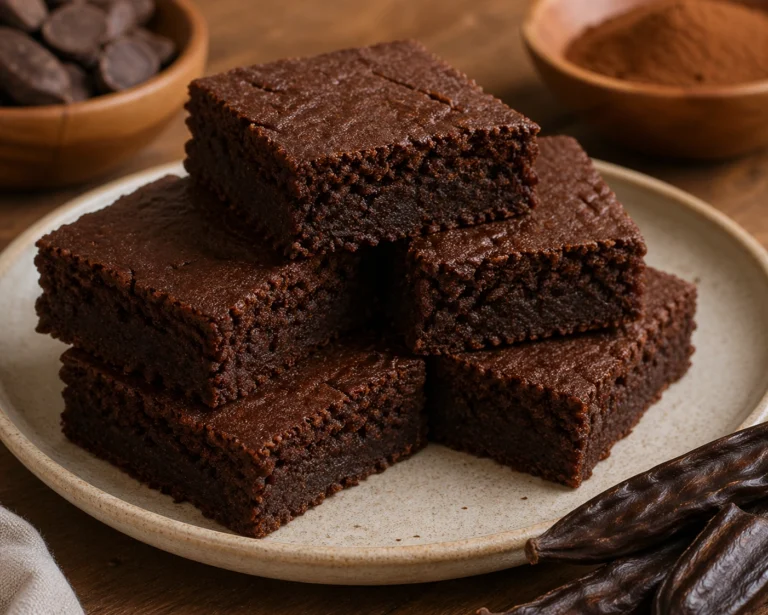
For another dessert with a richer, more baked texture, my carob brownies recipe is a good contrast to this chilled pie.
How to Store It
This pie should be stored in the refrigerator.
Refrigerator
Cover the pie loosely or store slices in an airtight container for up to 4 days. The texture stays best when chilled.
Freezing
You can freeze the pie, but the filling texture may soften slightly after thawing. If freezing, wrap it well and thaw in the refrigerator.
Serving After Storage
For the cleanest slices, serve it cold straight from the fridge or after only a few minutes at room temperature.
Final Thoughts
This carob pie recipe is a great way to use carob in a dessert that feels classic, creamy, and a little more special than everyday baking. It lets the flavor of carob stand on its own in a smooth filling, supported by vanilla, butter, and a crisp crust.
What I like most about this pie is that it does not try too hard. It is just a genuinely nice homemade dessert with a gentle, rich flavor that suits carob beautifully. If you already enjoy carob in cakes, cookies, or pancakes, pie is a very natural next step.
For a home baker building out a carob recipe collection, this one adds a different kind of dessert to the table, and that makes it absolutely worth keeping.
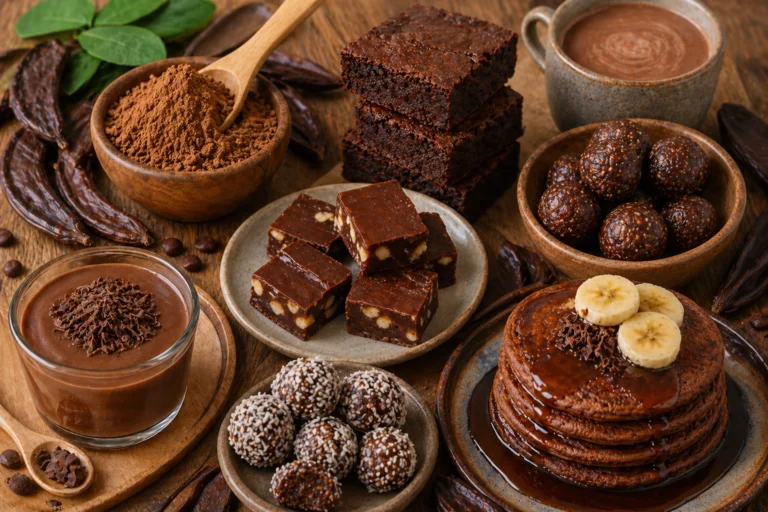
Want more ideas? Browse the complete carob recipes collection for more baking, breakfast, dessert, snack, and drink recipes.

2 Comments