Carob Powder: What It Is, Taste, Uses & How to Use It
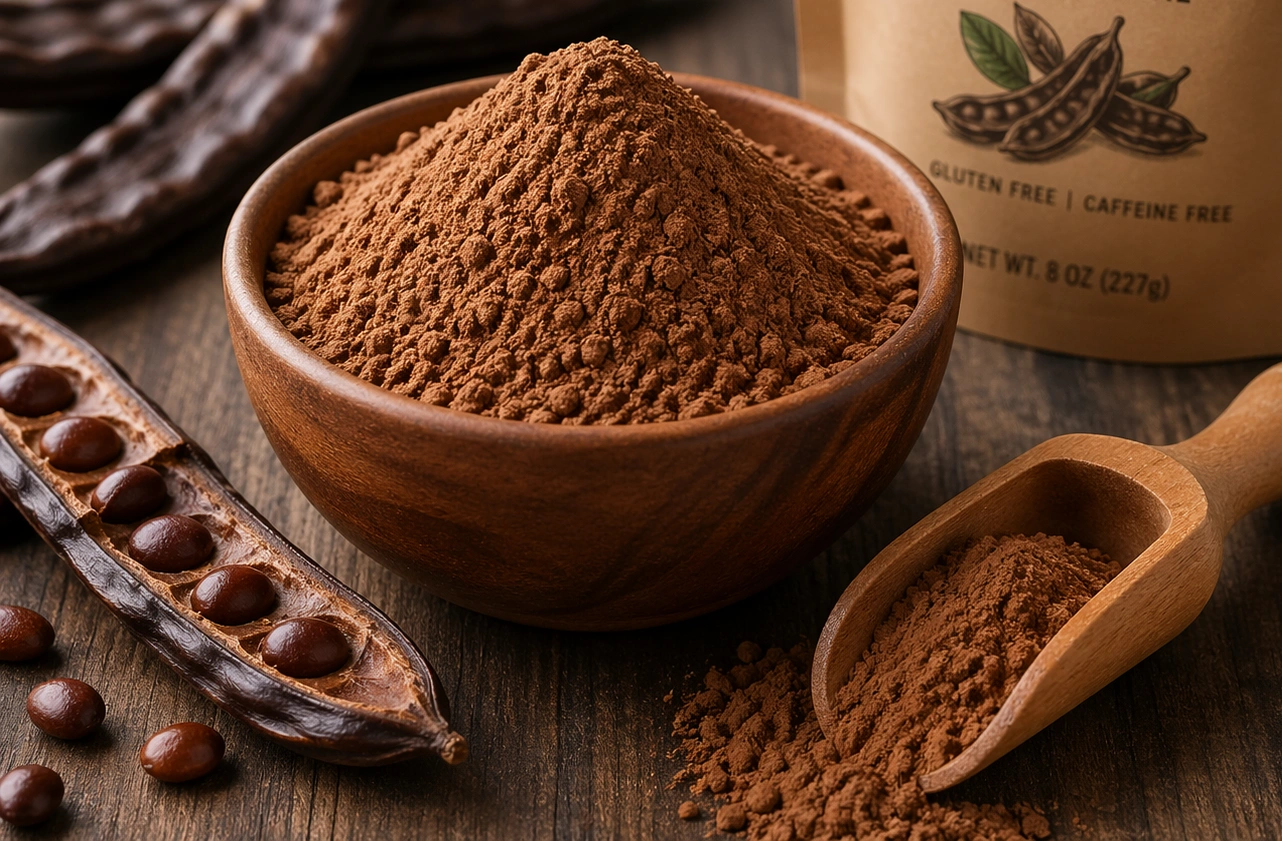
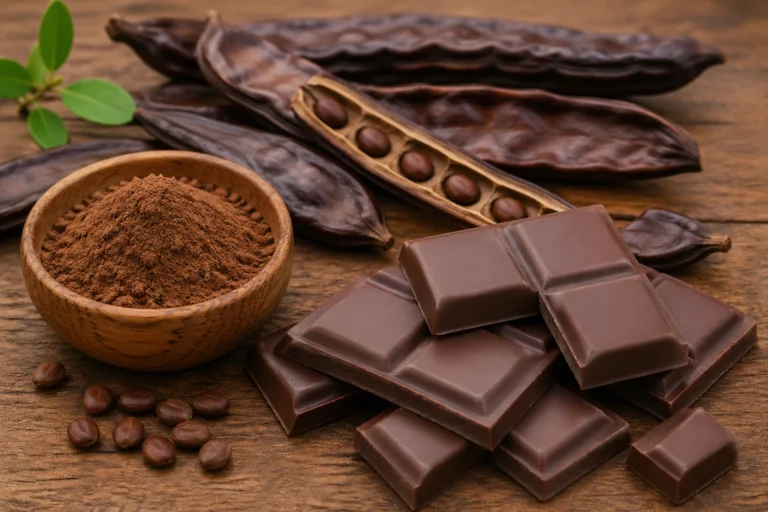
Carob powder is one of the easiest forms of carob to use in a home kitchen. It is made from the edible pulp of carob pods, dried and ground into a fine brown powder that can be used in baking, drinks, frostings, smoothies, and other sweet recipes.
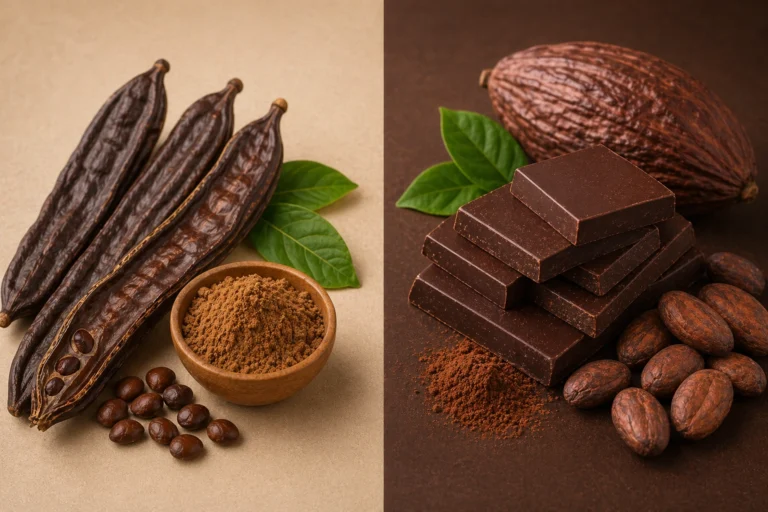
It is often compared with cocoa powder because the two ingredients can appear in similar recipes, but carob has its own flavor and behaves differently enough that it is better treated as a separate ingredient. This guide explains what carob powder is, what it tastes like, the difference between raw and roasted carob powder, how to use it in baking, and which carob recipes are good places to start.
If you are completely new to the ingredient, start with What Is Carob? for the broader overview, then come back here for the powder specifically.
What Is Carob Powder?
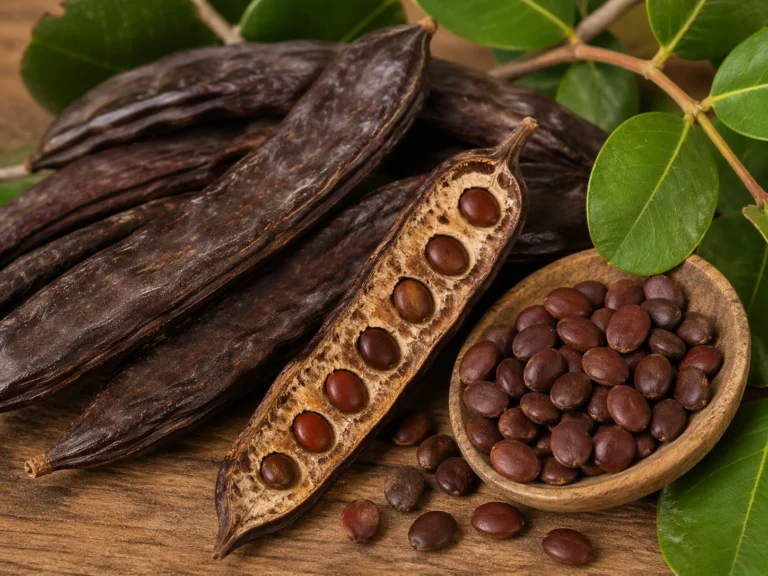
Carob powder is a finely ground ingredient made from the pulp of mature carob pods. The pod pulp is dried, sometimes roasted, and then milled into powder. The hard seeds inside the pod are used for other purposes, including making carob bean gum, so the powder used in everyday baking comes primarily from the fleshy part of the fruit.
The finished powder is brown, aromatic, and naturally sweet-tasting. It can be stirred into batters and doughs much like other dry flavoring ingredients. For a closer look at the fruit itself, see the guide to carob pods.
What Is Carob Powder Made From?
Carob powder is made from carob pod pulp. After the pods mature, the pulp is separated from the seeds, dried, and ground. Depending on the product, the pulp may also be roasted before grinding.
That difference in processing is why you may see packages labeled raw carob powder or roasted carob powder. Both come from the same fruit, but the processing changes the flavor.
Raw vs Roasted Carob Powder
The most useful distinction when choosing carob powder is whether it is raw or roasted.
Raw Carob Powder
Raw carob powder is made with little or no roasting. Its flavor is usually lighter, sweeter, and less deeply toasted. It can work well when you want carob to stay mild, especially in smoothies, simple drinks, lighter batters, or recipes where other flavors should remain noticeable.
Roasted Carob Powder
Roasted carob powder develops a darker, fuller, more toasted flavor. The exact result depends on the roast level used by the producer. A deeper roast can be especially useful in cookies, brownies, cakes, frostings, and other recipes where you want the carob flavor to be more noticeable.
If a recipe simply says “carob powder,” check the package you have and expect some flavor variation between brands and roast levels. Neither style is automatically better; the more useful choice depends on the recipe and the flavor you want.
What Does Carob Powder Taste Like?
Carob powder tastes naturally sweet, mellow, and roasted. Depending on the product, you may notice caramel-like, toasted, earthy, or lightly molasses-like notes. Roasted powders usually taste deeper and more pronounced, while raw powders tend to be gentler.
Carob does not taste exactly like chocolate, and expecting an exact chocolate flavor can make it harder to appreciate. It works best when you treat it as its own ingredient. For more detail, see What Does Carob Taste Like?.
Carob Powder Uses
Carob powder is versatile because it mixes easily into both dry and wet recipes. Common culinary uses include:
- cookies and brownies
- cakes and muffins
- banana bread and other quick breads
- pancakes and breakfast batters
- frostings, glazes, and dessert sauces
- smoothies and blended drinks
- no-bake bites and snack mixtures
- warm carob drinks
Because it has a recognizable flavor of its own, carob powder usually performs best in recipes designed around carob rather than in recipes where it is expected to imitate chocolate exactly.
How to Use Carob Powder in Baking
For baking, carob powder can usually be whisked into the dry ingredients before the wet ingredients are added. That helps distribute it evenly through the batter or dough and reduces the chance of dry pockets.
A few practical tips make it easier to work with:
- Use a recipe written for carob when possible. That gives you a better starting point than making a blind one-for-one swap in a strongly chocolate-based recipe.
- Mix it thoroughly with other dry ingredients. This helps the flavor and color spread evenly through the batter.
- Pair it with complementary flavors. Banana, vanilla, cinnamon, nuts, oats, and mild sweeteners all work naturally with carob.
- Adjust sweetness only after considering the whole recipe. Carob tastes sweeter than cocoa, but the correct amount of sugar depends on the other ingredients and the texture the recipe needs.
- Expect variation between powders. Raw and roasted powders, and even different roast levels, can change the finished flavor.
Can You Substitute Carob Powder for Cocoa Powder?
Sometimes, but it is not a perfect flavor-for-flavor substitution. Carob powder and cocoa powder can fill similar roles in certain batters, but their sweetness, bitterness, aroma, and overall flavor are different. Other recipe ingredients may also need adjustment when you swap one for the other.
If substitution is your main question, use the dedicated Carob vs Cocoa guide rather than relying on a universal ratio. That keeps this page focused on using carob powder well rather than treating it only as a cocoa replacement.
Easy Recipes Using Carob Powder
If you want to learn how carob powder behaves, the easiest approach is to use it in recipes already designed around its flavor. Good starting points include:
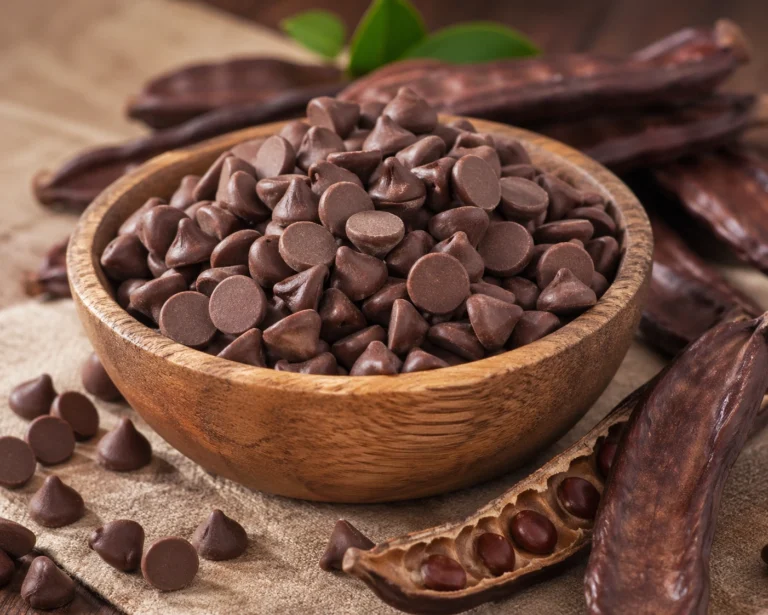
For a few less-obvious examples, try carob zucchini muffins, no-bake carob energy bites, or a creamy carob pie. If you are exploring confection-style products rather than baking powder itself, the carob chocolate guide explains that branch of the ingredient family.
- Carob Brownies for a rich baked dessert.
- Carob Cookies for a familiar, easy bake.
- Carob Pancakes for a quick breakfast recipe.
- Carob Banana Bread for a soft quick bread.
- Carob Muffins for an everyday baked option.
- Carob Smoothie if you want to try the flavor without baking.
For the full collection, browse the main Carob Recipes hub.
How to Store Carob Powder
Keep carob powder tightly sealed in a cool, dry cupboard away from moisture, heat, and direct sunlight. If the original package does not close securely, transfer the powder to an airtight container.
For shelf life, follow the storage instructions and best-before information on the package you purchased. Discard it if moisture, contamination, or an unusual odor suggests the product has deteriorated.
Carob Powder FAQ
What is carob powder used for?
Carob powder is used to add carob flavor and color to baked goods, drinks, smoothies, frostings, sauces, and no-bake recipes.
Is raw carob powder the same as roasted carob powder?
No. Both are made from carob pod pulp, but roasting changes the flavor. Raw carob is generally lighter and milder, while roasted carob is usually deeper and more toasted.
Does carob powder taste like chocolate?
Not exactly. Carob is naturally sweeter and has its own roasted, caramel-like character. It can be used in many chocolate-style recipes, but the finished flavor remains distinctly carob.
Can you bake with carob powder?
Yes. Cookies, brownies, cakes, muffins, pancakes, and quick breads are all common ways to bake with carob powder.
Final Thoughts
Carob powder is a straightforward ingredient once you stop treating it as a direct copy of cocoa. Learn the flavor of the powder you have, notice whether it is raw or roasted, and start with recipes designed around carob. From there, it becomes easy to use in everyday baking, drinks, and desserts.
If you are exploring the ingredient in more depth, continue with the guides to carob pods, carob taste, and carob vs cocoa, or go straight to the Carob Recipes collection to start cooking.
11 Comments